Kheer
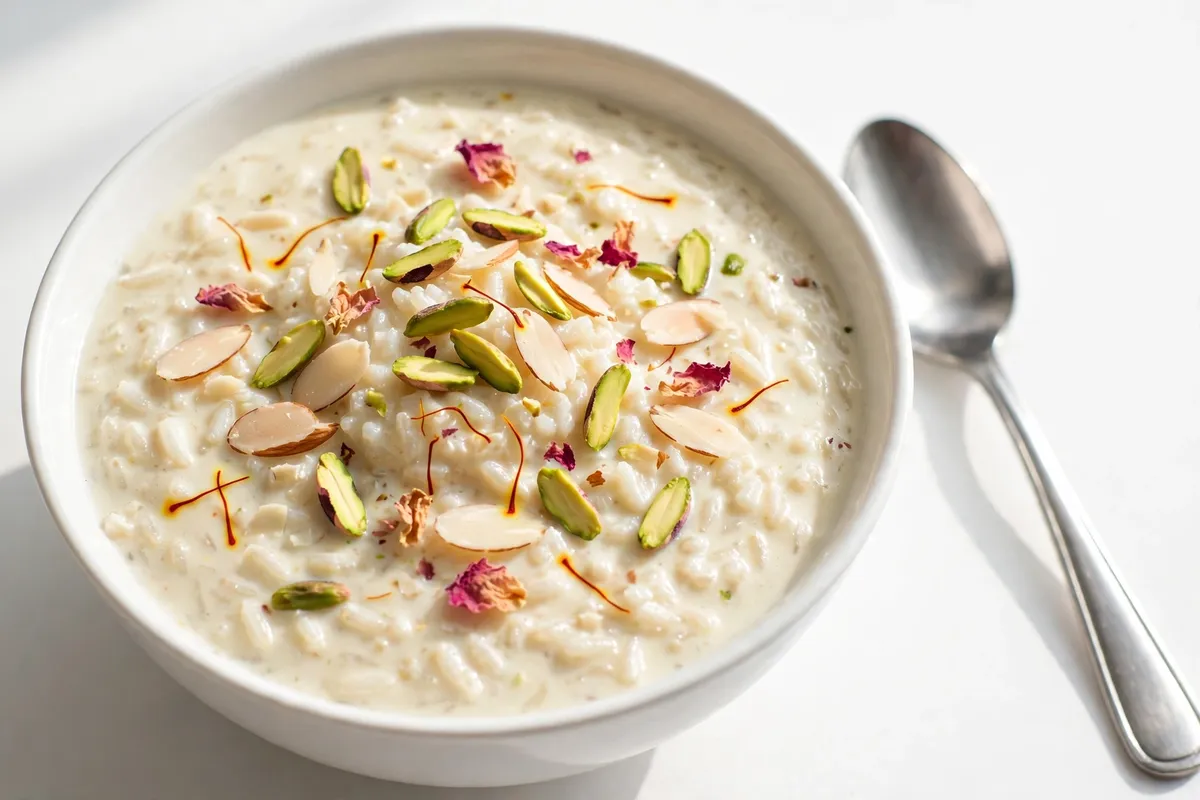
Kheer is India's most loved dessert — basmati rice slow-simmered in whole milk until it collapses into a thick, creamy pudding, scented with cardamom, saffron and rose water. It is the dessert of Diwali, Eid and every family celebration, and it asks for nothing more than time and patience.
Ingredients
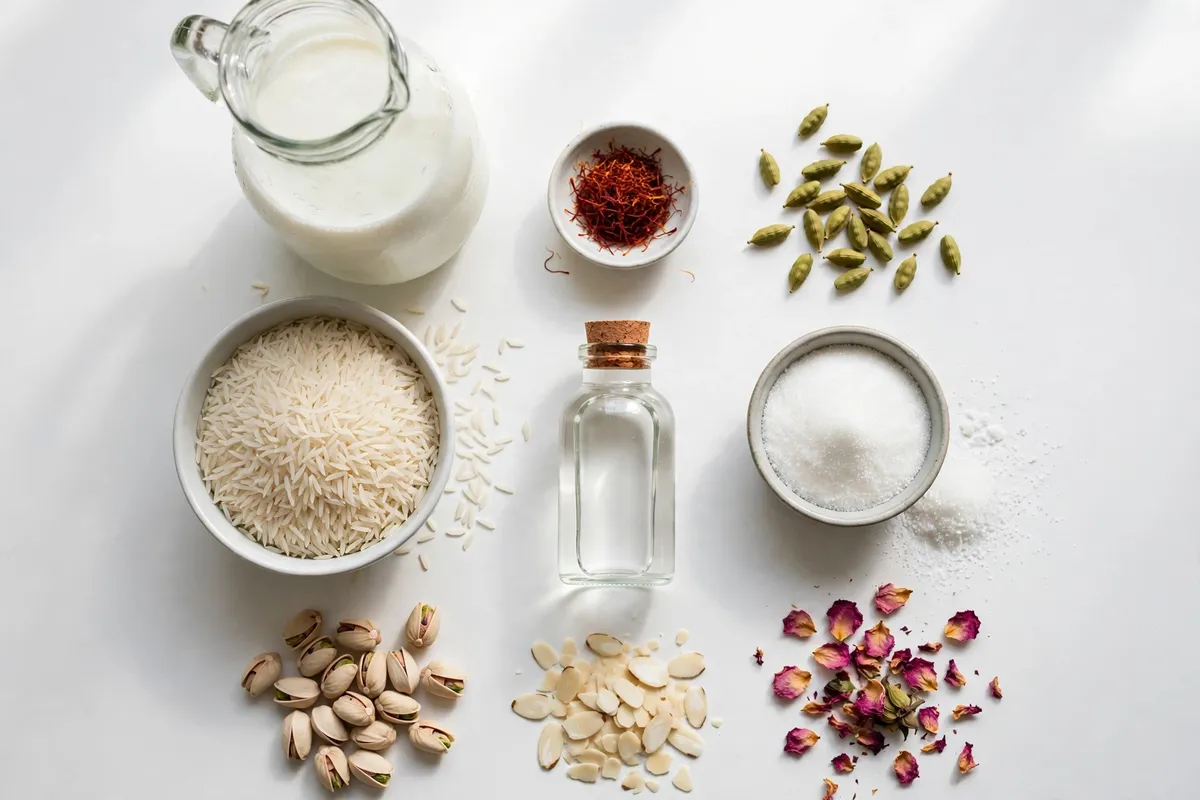
- ¼ cup (50g) basmati rice
- 6 cups (1.5 litres) whole milk
- ½ cup (100g) sugar
- 6 green cardamom pods, lightly crushed
- A generous pinch of saffron threads, soaked in 2 tbsp warm milk
- 1 tbsp rose water
- 2 tbsp slivered pistachios
- 2 tbsp flaked almonds
- 1 tsp dried rose petals (optional)
How to make kheer
Rinse and soak the rice
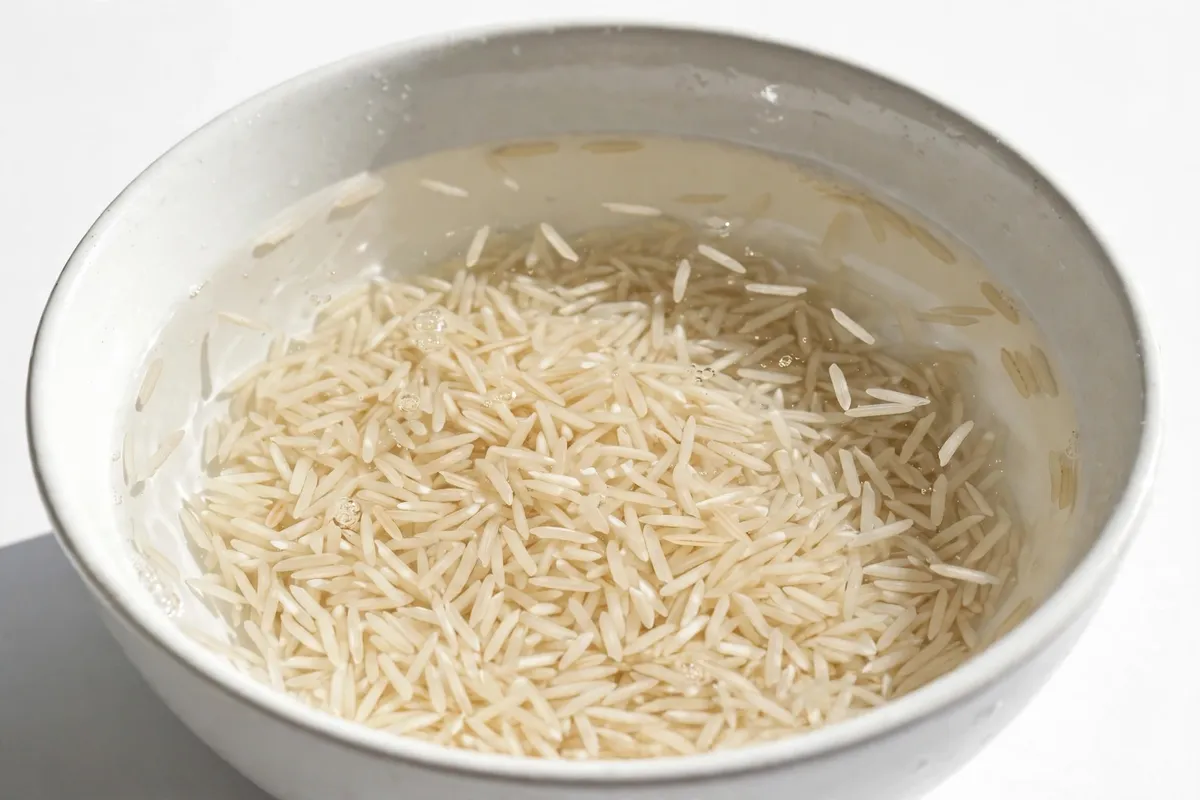
Rinse the basmati rice in several changes of water until the water runs clear, then soak it in cold water for 30 minutes and drain. Soaking lets the grains cook down and thicken the milk — skip it and the kheer stays thin. Meanwhile, soak the saffron threads in 2 tablespoons of warm milk.
Simmer the milk and rice
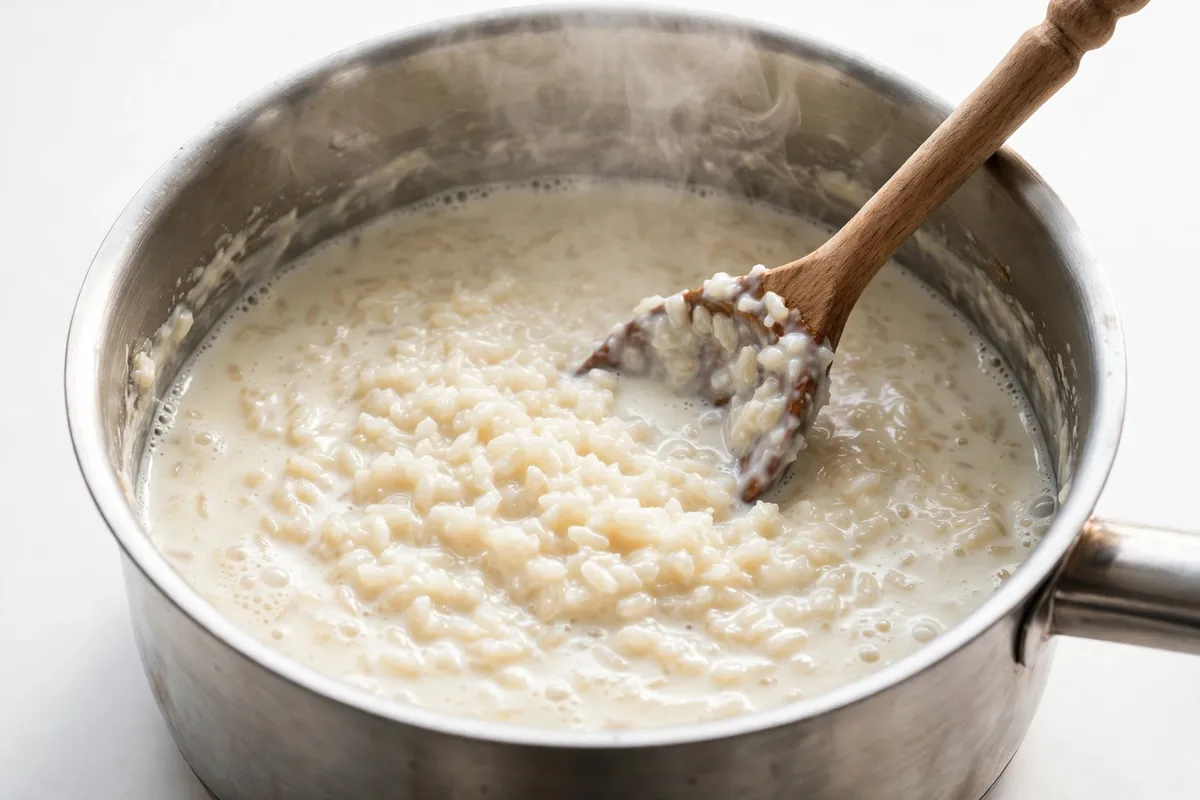
Pour the milk into a heavy-bottomed pot and bring it to a gentle boil over medium heat, stirring often. Add the drained rice and the crushed cardamom pods. Reduce to the lowest simmer and cook for 45–50 minutes, stirring every few minutes and scraping the bottom, until the milk has reduced by about a third and the rice has completely broken down into a creamy porridge.
Sweeten and flavour
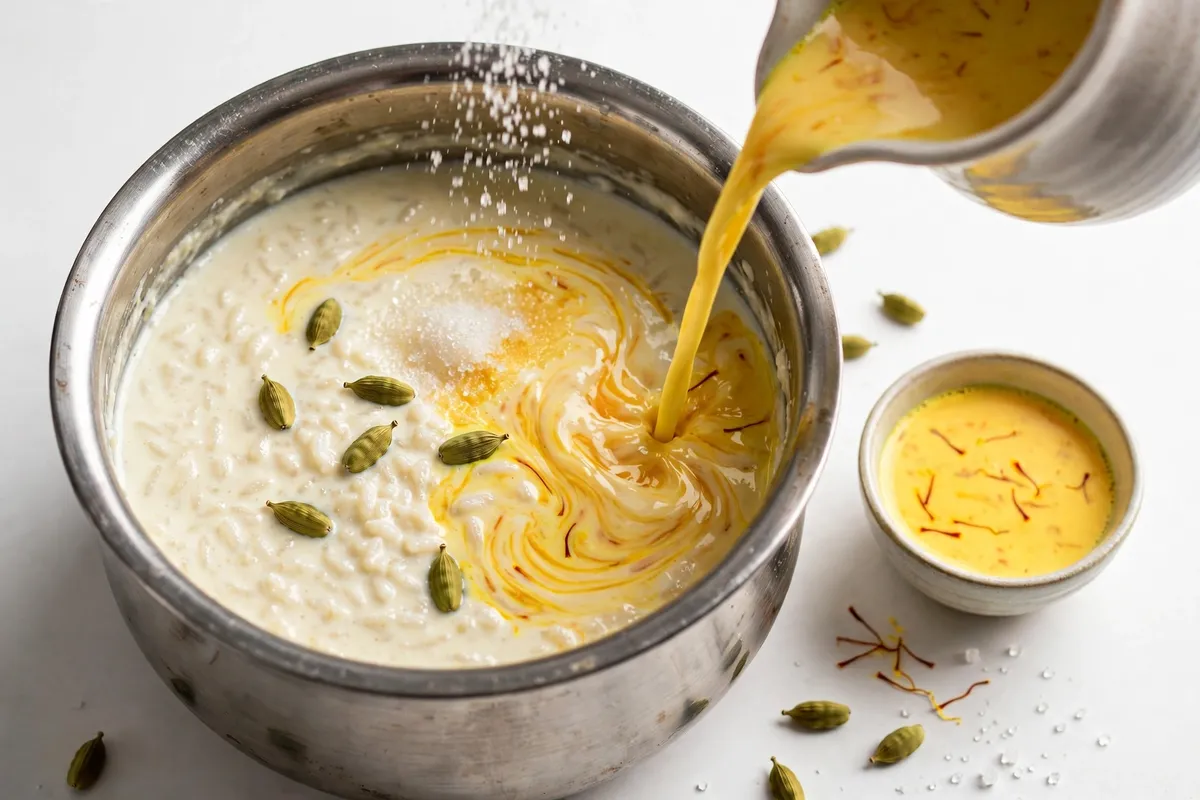
Stir in the sugar and cook for 5 minutes more, until it has dissolved and the kheer is thick enough to coat the back of a spoon. Add the saffron milk and the rose water and stir through. Taste and add a little more sugar if you like it sweeter — remember the kheer will taste slightly less sweet once chilled.
Chill and garnish
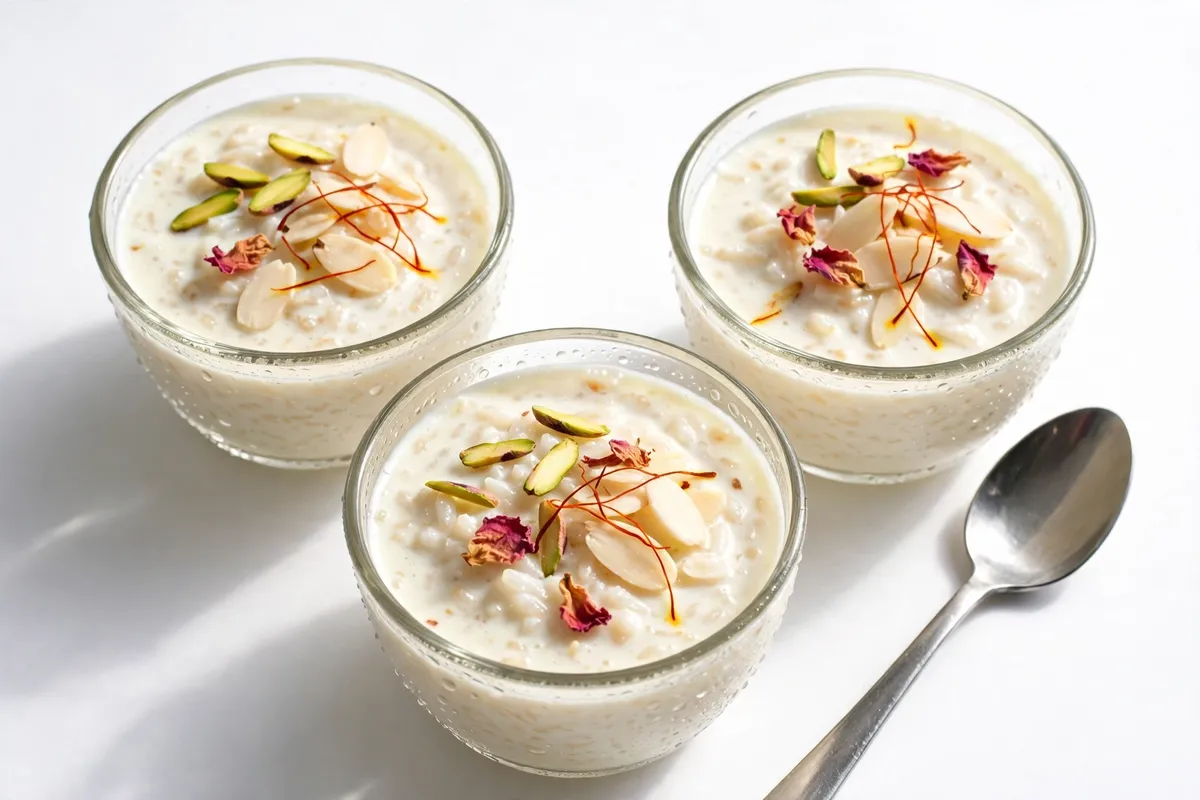
Pour the kheer into individual bowls or one large serving dish. Let it cool to room temperature, then chill in the fridge for at least 2 hours — kheer thickens further as it cools. Just before serving, garnish with the slivered pistachios, flaked almonds and dried rose petals.
Tips for the best kheer
- Use whole milk, and a heavy-bottomed pot. Full-fat milk is what makes kheer rich and creamy — skimmed milk will never thicken properly. A heavy pot spreads the heat and stops the milk scorching on the bottom during the long simmer.
- Do not walk away. Milk boils over in seconds and catches on the bottom just as fast. Stay nearby, stir every few minutes, and scrape the bottom of the pot as you go — the browned bits are flavour, but burnt bits are not.
- Add the sugar late. Sugar slows the rice from breaking down, so it goes in only after the kheer has thickened. Add it too early and you will be simmering for much longer to reach the same texture.
- Judge the thickness cold, not hot. Kheer thickens a lot as it chills. If it looks slightly thinner than you want when it leaves the heat, it is probably perfect — stop cooking while it still pours easily.
How to store kheer
Refrigerate kheer in a covered container for up to 4 days — it thickens in the fridge, so stir in a splash of cold milk before serving to loosen it. Garnish only at serving time, so the nuts stay crisp. Kheer does not freeze well; the rice turns grainy and the milk can split on thawing.
Kheer FAQs
Why is my kheer thin and not creamy?
Kheer thickens slowly — the milk needs a full 45–50 minutes on a low simmer for the rice to break down and the milk to reduce by about a third. A thin kheer is almost always an impatient one. Use whole milk (never skimmed), keep the heat low, and stir often so it does not catch. It also thickens further in the fridge, so judge the final texture cold, not hot.
What is the best rice for kheer?
Basmati is the classic choice — its grains break down beautifully and add a gentle fragrance. Short-grain or broken rice also works well and thickens the kheer even faster. Long-grain jasmine or brown rice are poor choices: they hold their shape and never give the creamy, porridge-like texture kheer needs.
Can I make kheer without saffron?
Yes — saffron adds colour and a floral note, but kheer is delicious without it. Increase the cardamom slightly and add the rose water as usual. A pinch of ground turmeric gives a similar golden colour if you miss the look, though it changes the flavour a little.
Is kheer served hot or cold?
Both, and it is a matter of taste and occasion. Chilled kheer is the most common way to serve it — it is refreshing, sets a little thicker, and suits summer and festive meals. Warm kheer is comforting in winter and traditional for some festivals. This recipe is written for chilling, but it is equally good served warm straight from the pot.
Your week of dinners, planned.
Build a free 7-day meal plan and download it as a beautiful image.