Jalebi
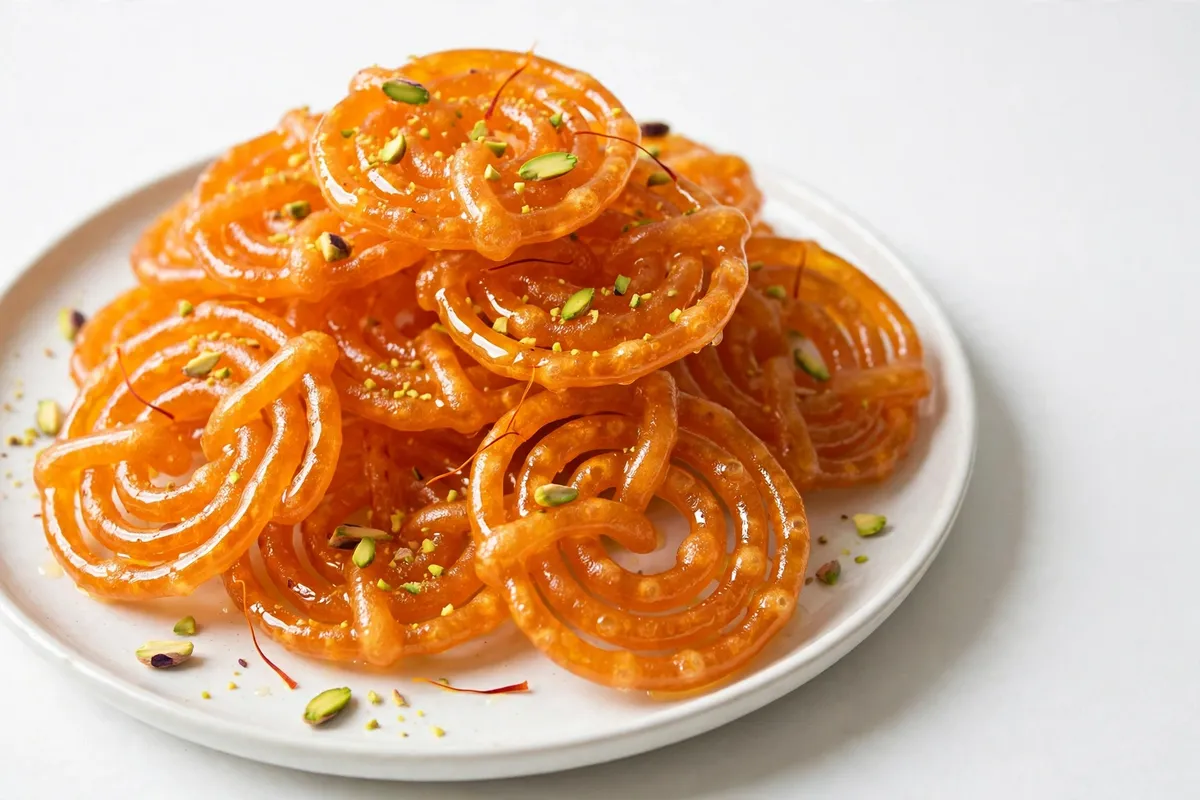
Jalebi is the sweet you smell before you see: a wide karahi of bubbling oil, a halwai piping batter in quick spirals, and a tray of hot orange coils disappearing into saffron syrup. At home it takes a fermented batter, one-string syrup and warm — never hot — syrup for the soak. Get those three right and the mithai shop has nothing on you.
Ingredients
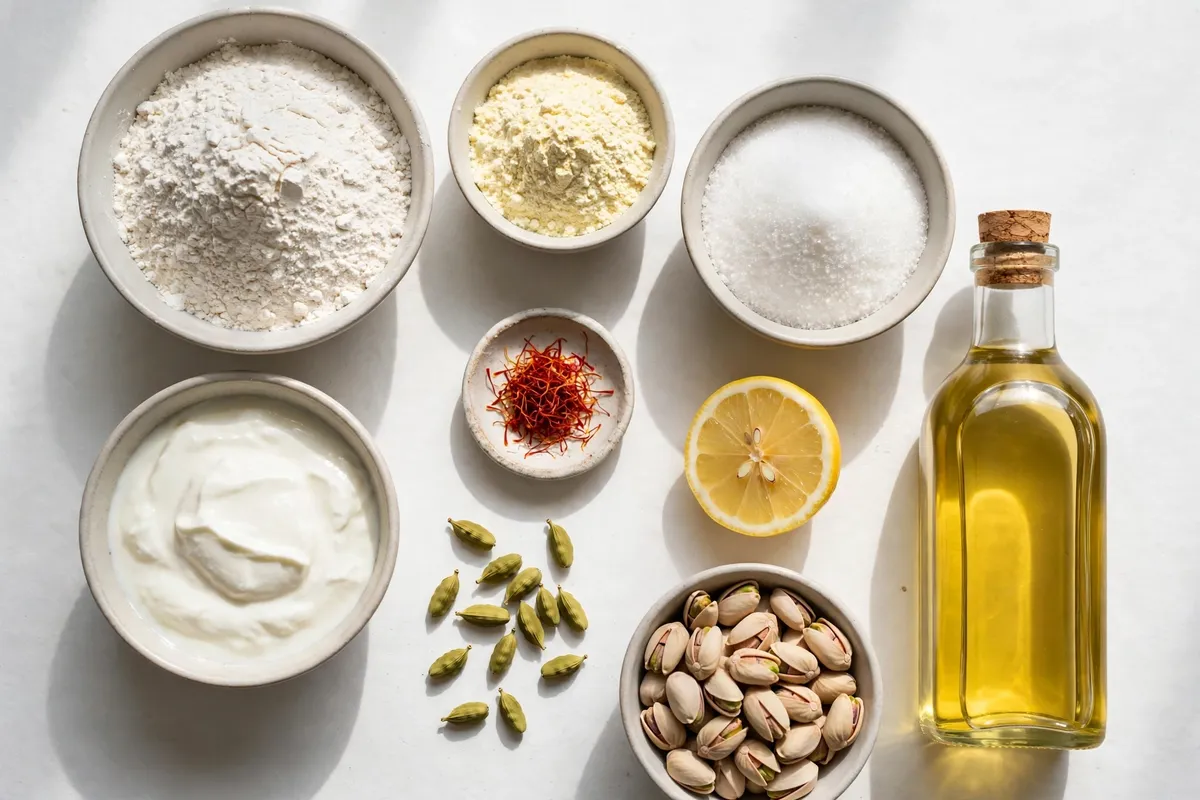
- 1 cup (125g) all-purpose flour (maida)
- 2 tbsp besan (gram flour)
- ¼ tsp baking soda
- ⅛ tsp turmeric powder
- ¼ cup (60g) plain yogurt, at room temperature
- ¾ cup (180ml) lukewarm water, plus more as needed
- 1½ cups (300g) granulated sugar
- 1 cup (240ml) water
- 4 green cardamom pods, lightly crushed
- A generous pinch of saffron threads
- 1 tsp lemon juice
- Oil or ghee, for deep frying
- Chopped pistachios, to serve
How to make jalebi
Mix and ferment the batter
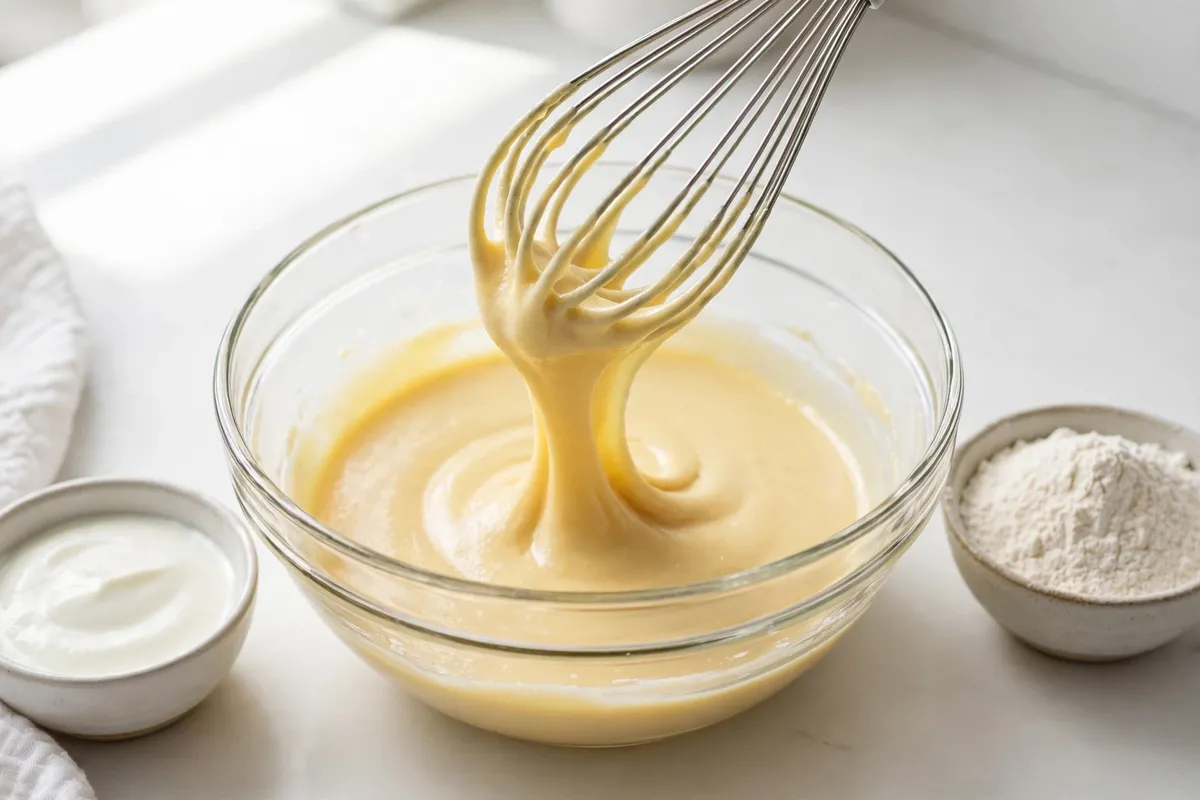
Whisk the flour, besan, baking soda and turmeric in a bowl, then add the yogurt and ¾ cup lukewarm water and beat hard in a circular motion for 4–5 minutes until smooth. The batter should fall from the whisk in a thick ribbon. Cover and leave in a warm place for 8–12 hours, until bubbly on top and pleasantly sour-smelling. In a hurry, add ½ tsp instant yeast and ferment for just 1½–2 hours.
Make the saffron sugar syrup
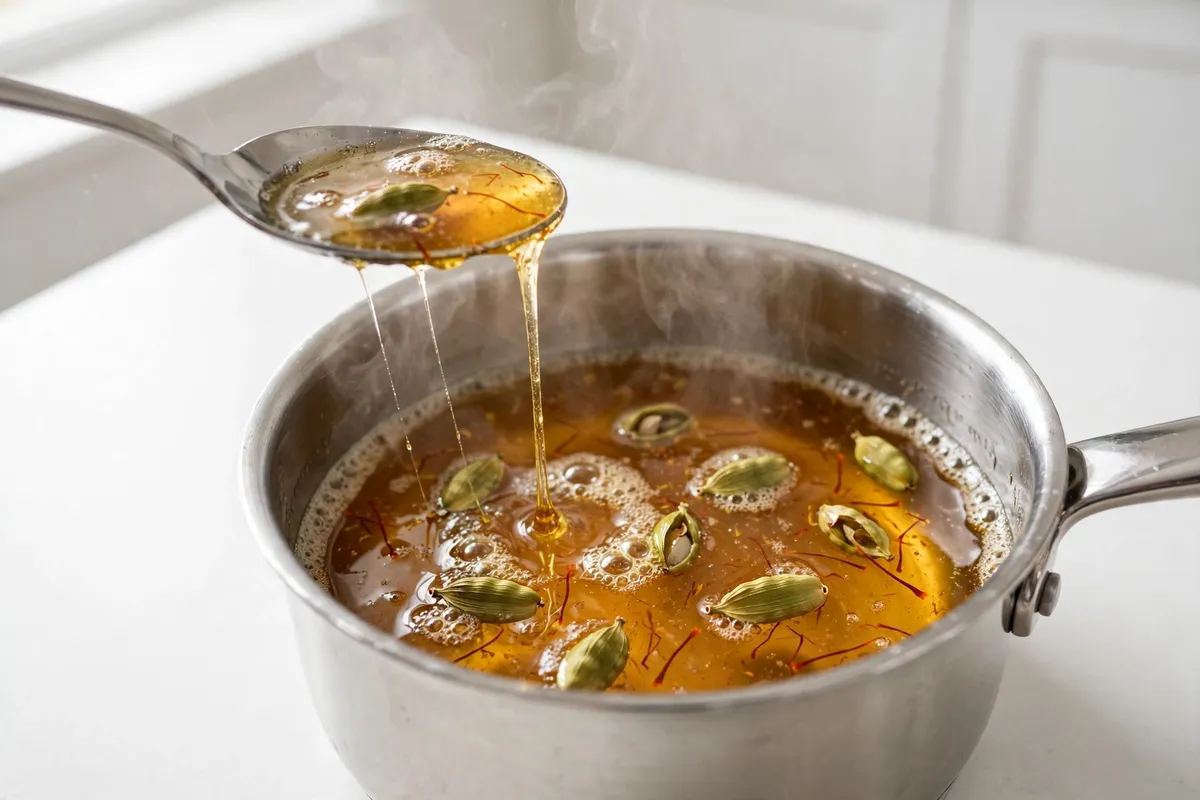
Put the sugar, water and cardamom pods in a saucepan over medium heat. Stir until the sugar dissolves, then simmer without stirring for 6–8 minutes, until the syrup reaches one-string consistency — a cooled drop pressed between finger and thumb forms a single thread when you pull them apart (about 223–235°F / 105–108°C). Stir in the saffron and lemon juice and keep the syrup warm, not hot.
Pipe the spirals
Heat oil or ghee in a wide, heavy pan to 350°F (175°C) — a drop of batter should sizzle steadily. Pour the batter into a squeeze bottle or a piping bag with a 4–5mm opening. Pipe tight spirals of 3–4 loops, about 2 inches across, finishing with a short line across the middle to hold the coil together. Fry 3–4 at a time and never crowd the pan.
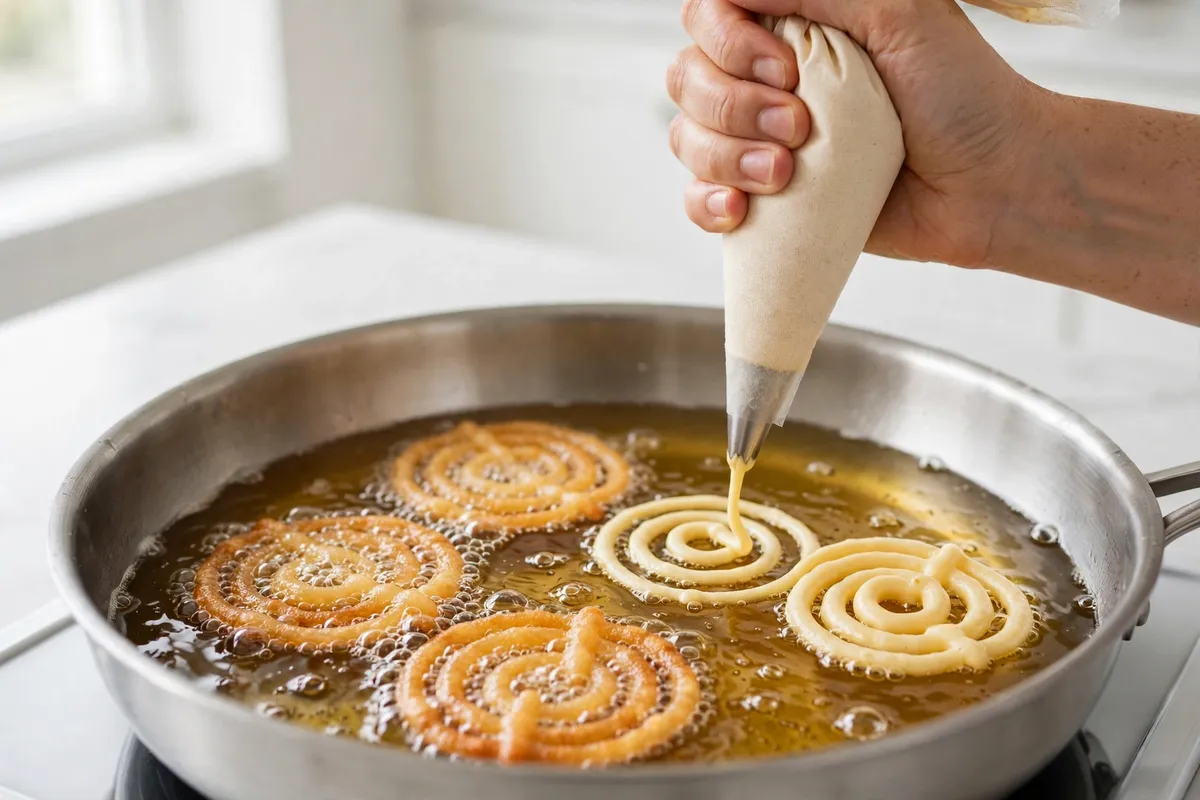
Fry until crisp and golden
Fry for 1–2 minutes per side, turning gently with tongs or a slotted spoon, until the jalebis are light golden and the oil stops sizzling furiously around them. Dark brown means the oil is too hot — turn it down. Lift out and let the oil drip for a second.
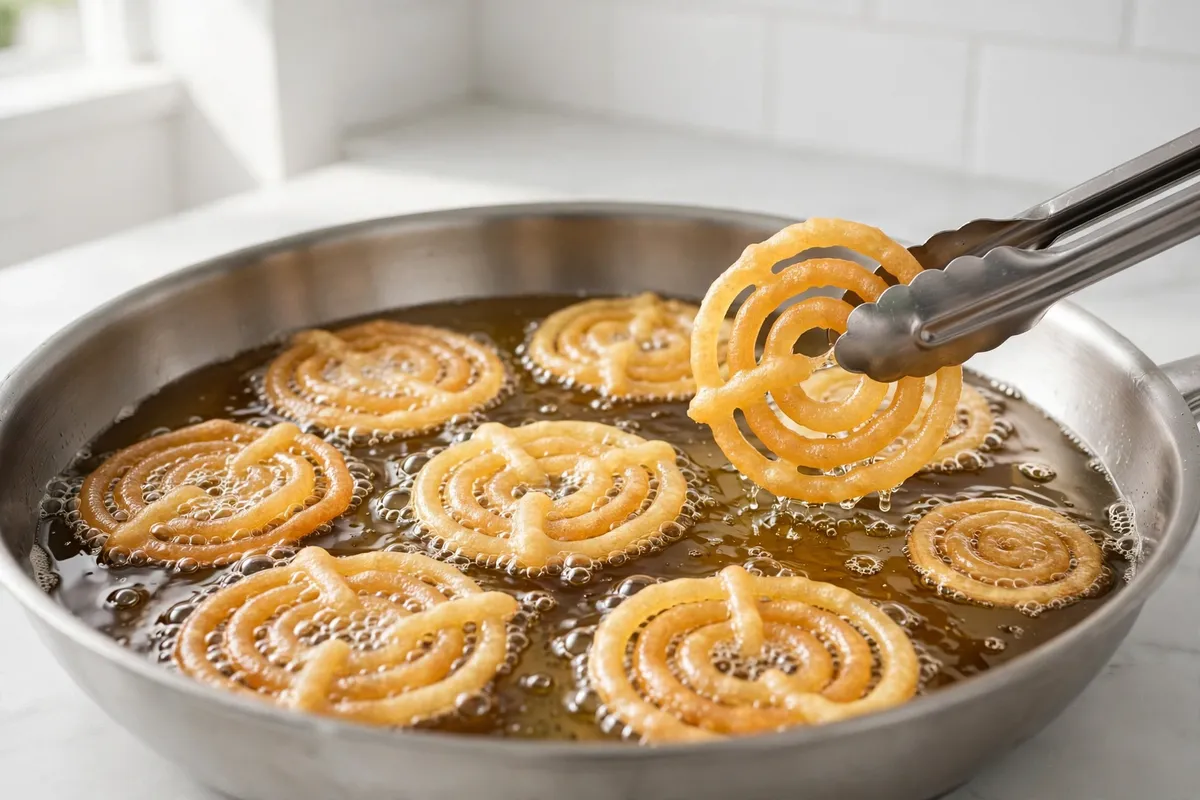
Soak in warm syrup and serve
Drop the hot jalebis straight into the warm syrup, turn once, and leave for 30–60 seconds so the syrup soaks into the hollow spirals. Lift out onto a wire rack, sprinkle with chopped pistachios, and serve warm, within a few hours, while the edges are still crisp.
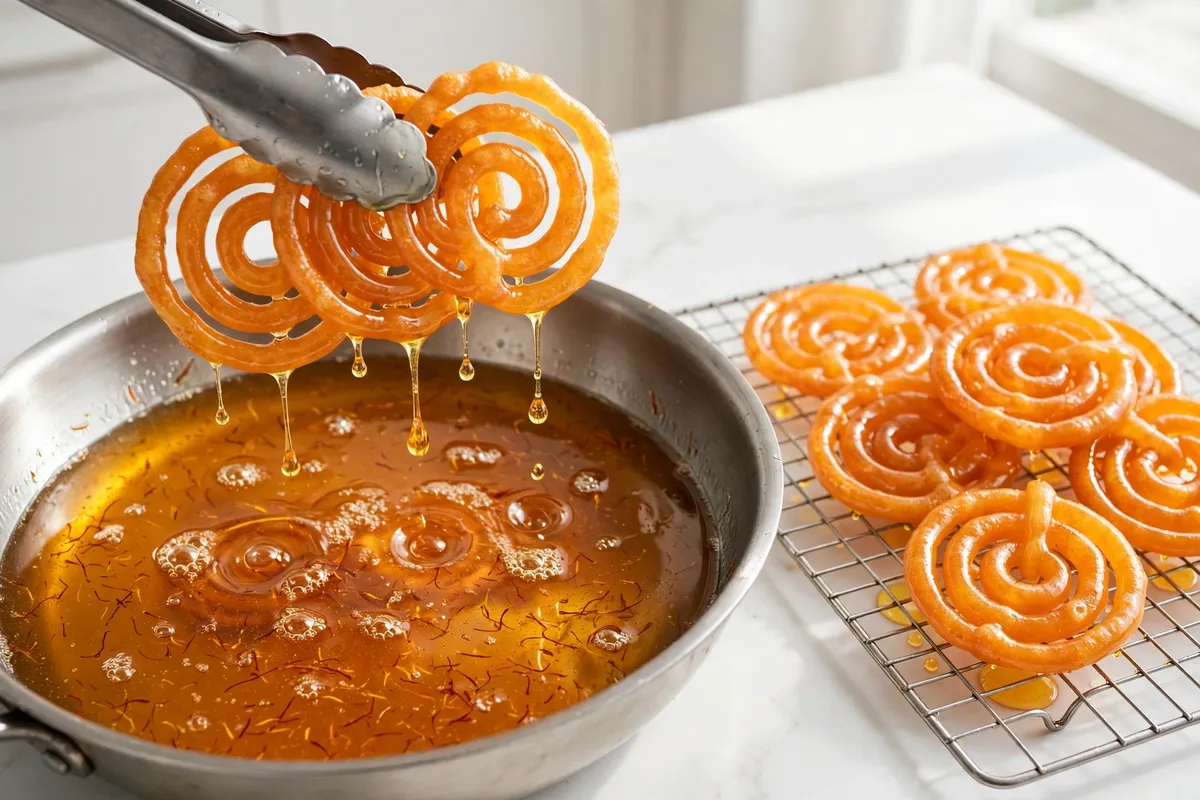
Tips for the best jalebi
- Judge the batter by the ribbon, not the recipe. Flours absorb water differently, so ¾ cup is a starting point. Lift the whisk: the batter should fall back in a ribbon that holds its shape for two seconds before melting in. Thinner and your spirals spread into lace; thicker and they fry up doughy.
- Keep the syrup warm, never hot. This is the rule that ruins more home jalebi than any other. Hot syrup keeps cooking the fried spirals and turns them limp; cold syrup will not soak in. Warm enough to flow — about bathwater temperature — is right.
- Resist hotter oil. At medium heat the batter has time to puff and set before the outside browns. At high heat the exterior darkens while the inside stays raw and gummy. One test spiral tells you everything: it should take a full 2–3 minutes to turn deep golden.
- Do not over-soak. Thirty to sixty seconds is enough for the syrup to fill the hollow tubes. Leave them in longer and the jalebi go from juicy-crisp to soggy — and once they are soggy, nothing brings the crunch back.
How to store jalebi
Jalebi are at their best within a few hours of frying, while the edges are still crisp. Once cooled, they keep in an airtight container at room temperature for up to 5 days, though the crispness fades day by day. Do not refrigerate them — the cold turns the syrup sticky and the spirals soft. Serve leftover jalebi with rabri or warm milk, where a softer bite is no disadvantage at all.
Jalebi FAQs
How do you make jalebi crispy and not soggy?
Three things decide it: a properly fermented batter (the tang and the bubbles make the lacy, crisp crumb), oil at a steady 350°F (175°C) so the spirals set before they brown, and warm — never hot — syrup. Hot syrup keeps cooking the fried spirals and turns them limp within minutes.
What is the right sugar syrup consistency for jalebi?
One-string consistency: cool a drop on a spoon, press it between finger and thumb and pull apart — a single thread should form. That is about 223–235°F (105–108°C) on a thermometer. Too thin and the jalebi stay dry; too thick and the syrup will not soak in and crystallises on the surface.
How long should jalebi batter ferment?
8–12 hours in a warm kitchen (about 78°F / 26°C), longer in a cool one — up to 20–24 hours. The batter is ready when the surface is covered in tiny bubbles and it smells pleasantly sour. Over-fermented batter turns too sour and makes flat, dense jalebi, so do not leave it much past the bubbly stage.
Can you make jalebi without fermenting overnight?
Yes — add ½ teaspoon of instant yeast and a spoonful of yogurt to the batter and it ferments in 1½–2 hours with the same tang and crunch. You can also skip fermentation entirely with baking powder and baking soda for an instant jalebi, but you lose the slight sourness that balances the sweet syrup.
Your week of dinners, planned.
Build a free 7-day meal plan and download it as a beautiful image.