
Healthy January Dinners: Easy, Fresh-Start Meals for the New Year
January arrives with a fridge full of leftovers, a calendar full of good intentions, and the same question every evening: what should we eat tonight? These healthy January dinners are built for that exact moment — warm, filling weeknight meals that feel like real food, not diet food, and most of them are on the table in 30 minutes or less.
What Makes a Good Healthy January Dinner?
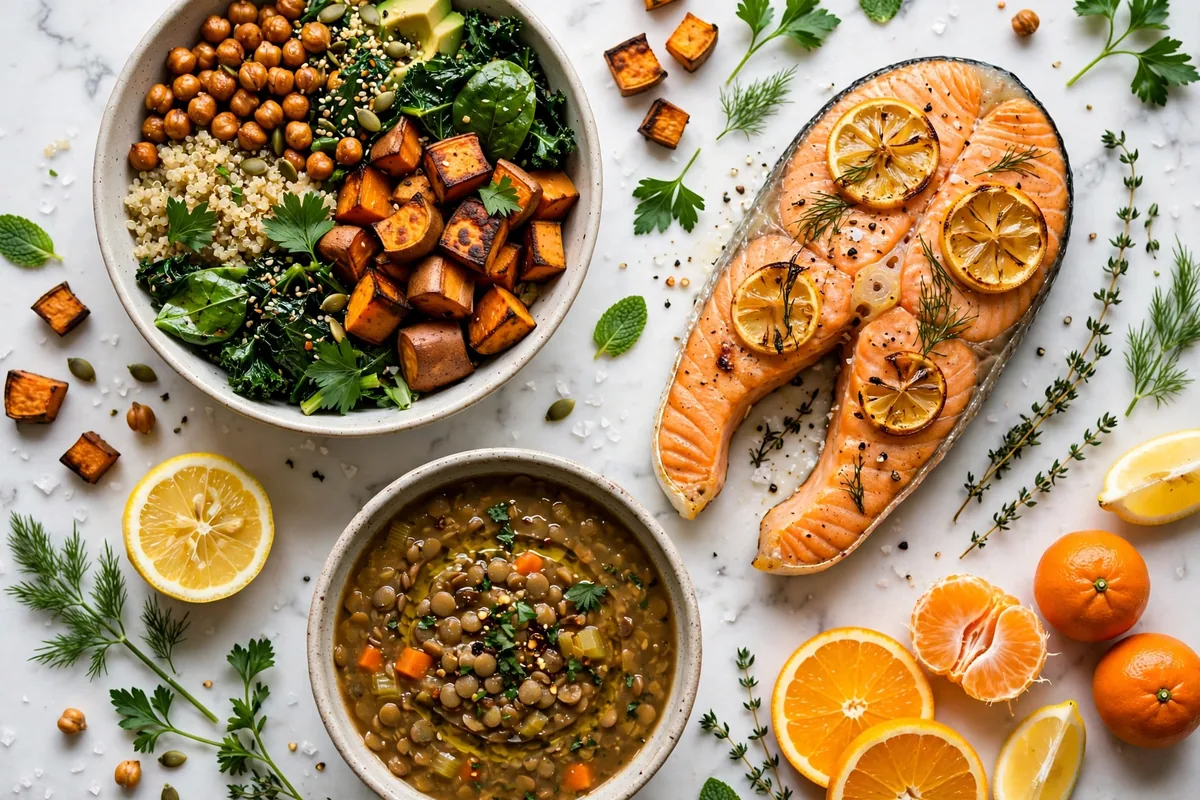
After weeks of holiday cookies, heavy casseroles and second helpings, most of us want January dinners to feel lighter — but "lighter" only works if dinner still feels like dinner. The healthy January dinner recipes that people actually stick with share four things: a real protein at the centre (chicken, turkey, fish, beans, lentils or eggs), plenty of vegetables, a satisfying base like whole grains or sweet potato, and bold flavour from herbs, spices, citrus and roasting. Nothing here is about deprivation. A bowl of lentil soup with good bread, or sheet-pan chicken with roasted vegetables, is comfort food that happens to be built from whole ingredients.
There is also a practical side to January cooking. It is cold, it gets dark early, and nobody wants a complicated recipe on a Tuesday night. The best January healthy eating plan is a simple one: a small rotation of dinners you can cook without thinking too hard, a slow cooker or sheet pan doing the heavy lifting, and a freezer stocked with soup for the nights when cooking feels like too much. This guide gives you that rotation — a seven-night framework, the fastest weeknight options, and a meal-prep system that makes the whole month easier.
The 7-Night January Dinner Framework
Instead of planning thirty different dinners, give each night of the week a theme. A theme removes the daily "what should I cook?" decision, and it keeps the week varied without a new recipe every night. Here is a framework that covers the whole month:
| Night | Theme | Example healthy January dinner |
|---|---|---|
| Monday | Soup night | Lentil and vegetable soup with crusty bread |
| Tuesday | Sheet-pan night | Lemon-herb chicken with sweet potato and broccoli |
| Wednesday | Bowl night | Quinoa bowl with chickpeas, roasted vegetables and tahini |
| Thursday | Slow-cooker night | Turkey and white bean chili, started in the morning |
| Friday | Fish night | Salmon with brown rice, greens and citrus |
| Saturday | Plant night | Stuffed sweet potatoes with black beans and lime yogurt |
| Sunday | Flexible night | Leftovers, a big roast, or meal prep for the week ahead |
The framework is a starting point, not a rulebook. Swap the nights around to fit your week — the point is that every evening already has an answer before you open the fridge. If a theme night does not appeal, repeat a favourite from earlier in the week; a dinner you enjoy twice beats a new recipe you dread cooking. And if you are building a full month of meals, our free Meal Plan Maker turns a framework like this into a complete 7-day plan with a shopping list in a couple of minutes.
Healthy January Dinners in 30 Minutes or Less
Weeknight healthy dinners live or die on speed. The good news is that the fastest healthy dinners are also some of the most satisfying. Seafood leads the pack: shrimp cooks in under 10 minutes, and a salmon fillet needs only 12–15 minutes in the oven or air fryer. Pair either with pre-cooked grains and a quick salad and dinner is done in about 20 minutes. Chicken is nearly as fast — thin cutlets, stir-fry strips and chicken tenders all cook in 10–15 minutes, and a sheet pan of chicken and vegetables roasts itself while you set the table.
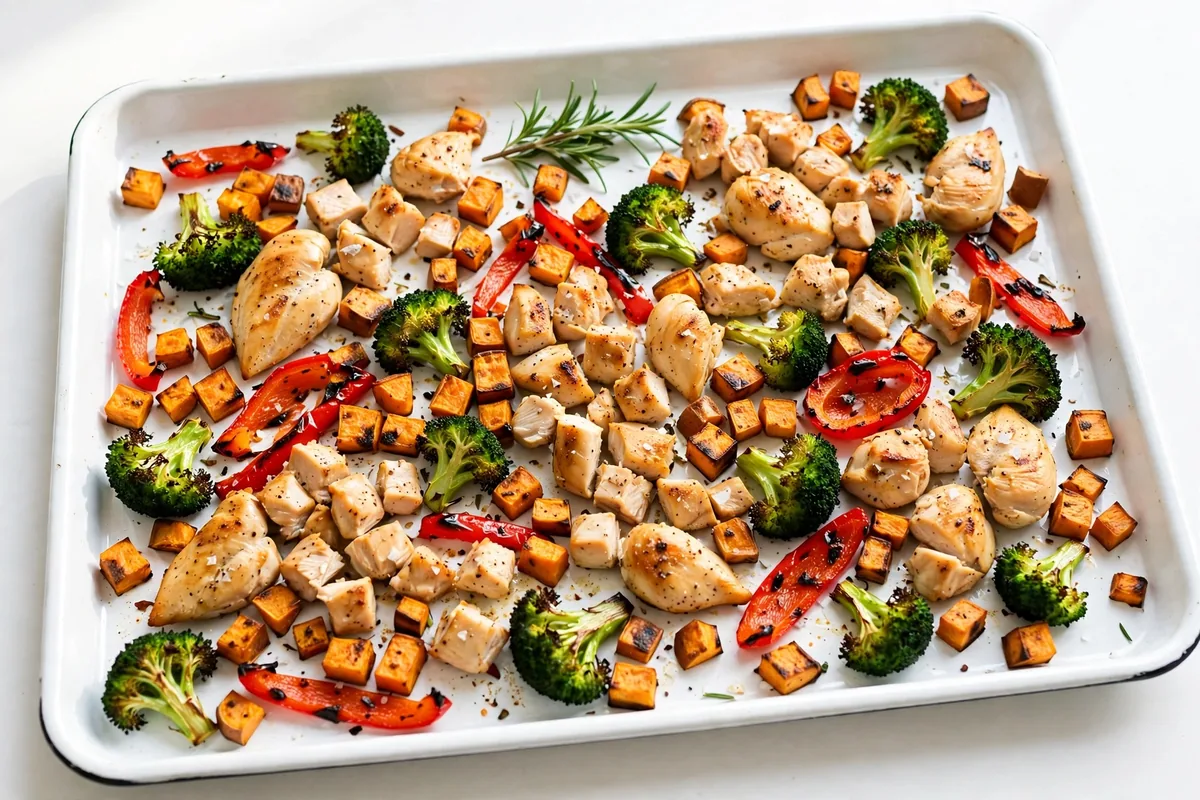
Sheet-pan dinners deserve a special mention, because they solve the two biggest weeknight problems at once: cooking time and washing up. One pan, one temperature, everything roasted together. Toss chicken pieces with broccoli, sweet potato cubes and peppers, add olive oil and seasoning, and roast at 400°F (200°C) until the chicken is cooked through. The same formula works with salmon and green beans, tofu and Brussels sprouts, or turkey meatballs and root vegetables. For more ideas in this style, our high-protein chicken rice bowl is a weeknight staple that comes together fast and keeps well for next-day lunches.
Soups, Stews and Slow-Cooker Nights
January is soup season, and soup is one of the easiest ways to eat more vegetables and lean protein when it is freezing outside. A pot of soup is forgiving — it welcomes whatever vegetables are in the fridge, it tastes better the next day, and it freezes beautifully. Lentil soup, chicken and vegetable soup, white bean soup and turkey chili are all full meals in a single bowl, and a slow cooker makes them almost effortless: a few minutes of chopping in the morning, and by evening there is a warm pot waiting.
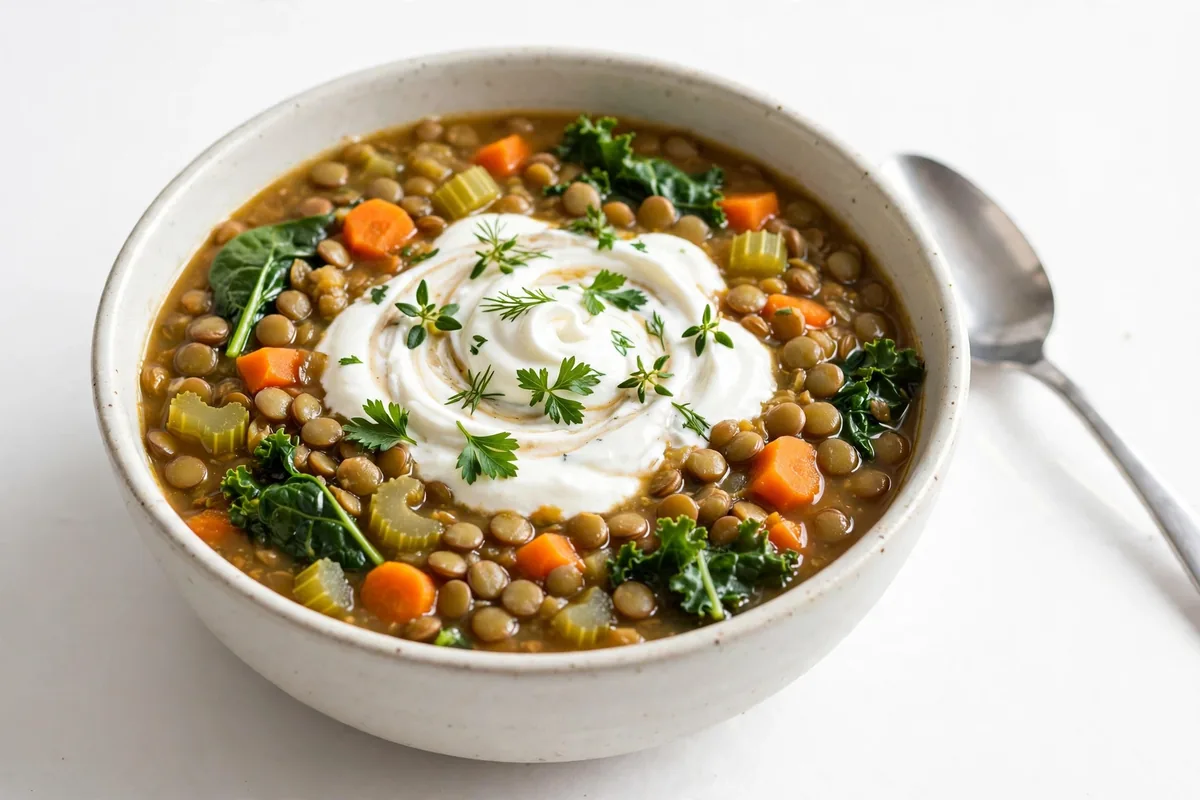
The freezer is what turns soup night into a month-long strategy. Soups, stews and chilis keep for up to 3 months frozen, so one big Sunday batch becomes several weeknight dinners and a few grab-and-go lunches. Freeze in single portions with the date on the lid, and label anything that looks like another soup — all brown stews look identical after a month. If you cook with a slow cooker often, build your rotation around it: one soup, one chili and one braised dish per week covers a surprising amount of January with very little evening effort.
Grain Bowls and Plant-Forward Dinners
Grain bowls are the most flexible healthy dinner of all, because the formula never changes and the ingredients always can: a whole grain base, a protein, roasted or raw vegetables, and a sauce. Quinoa is the classic base — it cooks in 15 minutes, keeps for days in the fridge, and works with almost any flavour. Our quinoa meals collection has plenty of starting points, from chickpea quinoa bowls to Mediterranean-style plates with cucumber, tomato and lemon.
The Mediterranean way of eating is a natural fit for January, too: vegetables, whole grains, beans, olive oil and fish, with flavour from herbs and citrus rather than heavy sauces. A month of Mediterranean-style dinners is one of the most popular January healthy eating approaches, and our Mediterranean diet recipes show how simple it can be — a baked fish with tomatoes and olives, a chickpea soup, or a sheet-pan salmon with vegetables. Plant-forward nights round out the week: stuffed sweet potatoes, lentil stews, roasted cauliflower bowls and bean tacos are all hearty enough for the coldest evenings. If you are eating with specific dietary goals in mind, our GLP-1 friendly meals are built around high-protein, high-fibre plates that keep portions satisfying.
Meal Prep: Cook Once, Eat Well All Week
Meal prep is the difference between a January healthy eating plan that lasts a week and one that lasts the month. The formula is simple: set aside one or two hours on Sunday, pick a protein, pick two vegetables, pick a smart carb, and portion it out. Cook a big batch of quinoa or brown rice, roast a sheet pan of vegetables, and cook chicken, turkey, lentils or tofu in bulk. The same components become grain bowls on Monday, wraps on Tuesday and a stir-fry on Wednesday — three different dinners from one cooking session.
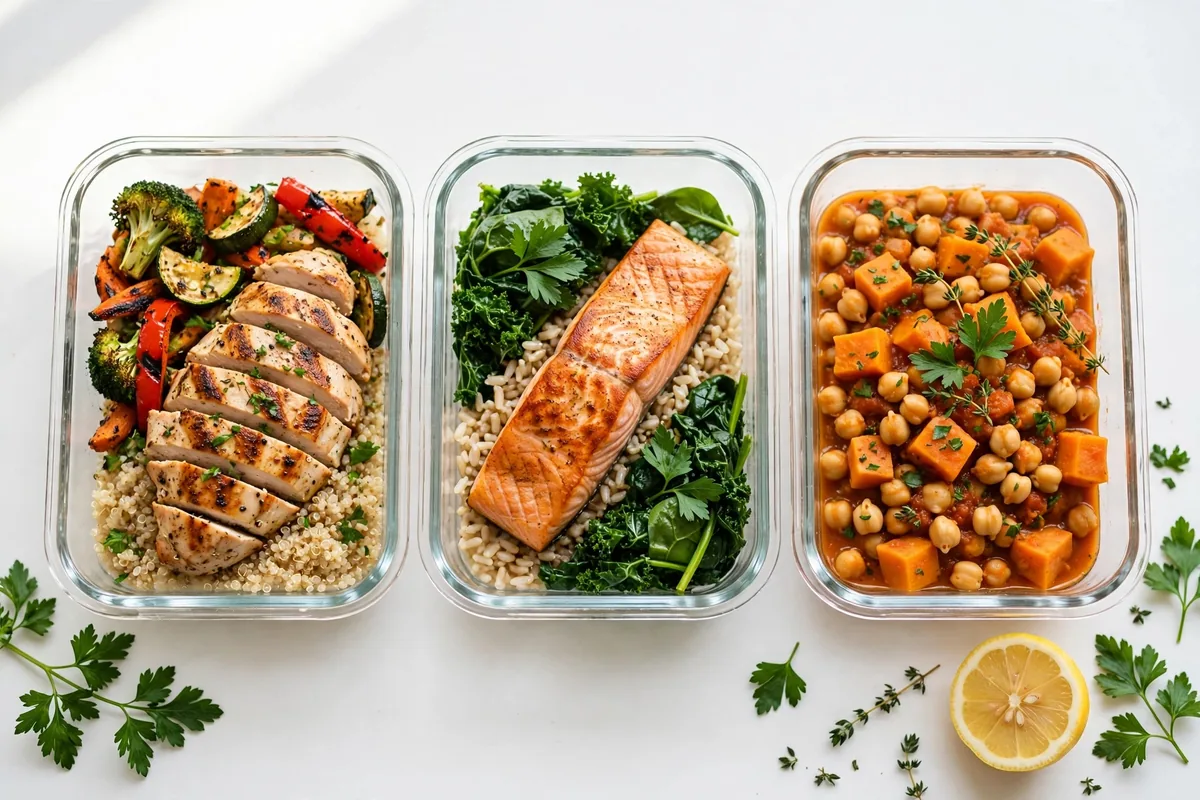
A few practical tips make prep stick. Cook protein once and eat it twice — make a double batch of chicken on Sunday and slice it over salads and bowls all week. Fill half of every container with vegetables, so the healthy part of the meal is already decided. And keep the sauces separate until serving, so nothing goes soggy by Thursday. If you want numbers to go with the plan, our free Gym Diet Planner builds a personalised meal plan from your goals and body stats, with calorie and macro estimates for each day — useful whether you train or just want a structured starting point for the new year.
What to Cook in January: Seasonal Ingredients
January cooking is cheaper and tastier when it follows the season. Root vegetables — carrots, parsnips and sweet potatoes — are at their sweetest after the cold, and winter squash, cabbage, Brussels sprouts, cauliflower, broccoli, leeks and kale are all at their best and cheapest in January. Citrus is the winter bright spot: oranges, grapefruit and lemons lift heavy dishes and bring colour to grain bowls and salads. Building dinners around these ingredients is the easiest way to eat well in January without a special shopping trip — they are the vegetables already on offer at the supermarket, and they roast, simmer and stir-fry beautifully.
The simplest January reset is not a dramatic overhaul. It is a week of dinners you actually enjoy, cooked at home, built around whole ingredients and seasonal produce — and then doing it again the next week. Pick five dinners from this guide, make one grocery list, and let January be the month dinner gets easier.
Note: this article is general information only and is not medical or dietary advice. If you have a health condition, take medication, or are considering a significant change to how you eat, please speak to a qualified health professional first.
Healthy January Dinners — Frequently Asked Questions
What should I cook for dinner in January?
January is the month for warm, simple dinners built around seasonal produce and lean protein: soups and stews, sheet-pan chicken and vegetables, grain bowls with quinoa or brown rice, and slow-cooker meals you can start in the morning. Pick five dinners for the week, repeat the ones you like, and let one night be leftovers.
What are healthy dinners for the new year that don't feel like diet food?
Dinners that don't feel like diet food are still generous and flavourful — they just lean on whole ingredients. Think sheet-pan chicken with roasted sweet potato, a hearty lentil soup with good bread, salmon grain bowls with citrus tahini, or a turkey chili with avocado. Flavour comes from herbs, spices, citrus and roasting, not from restriction.
What is the fastest healthy dinner to make on a weeknight?
Seafood is the fastest: shrimp cooks in under 10 minutes, and a salmon fillet in 12–15. Stir-fries, sheet-pan chicken with quick-cooking vegetables, and grain bowls built on pre-cooked quinoa or rice are all on the table in about 20–30 minutes.
How do I meal prep healthy dinners for January?
Pick one or two hours on Sunday. Cook a grain (quinoa or brown rice), roast a big sheet pan of vegetables, and cook one protein in bulk — chicken, turkey, lentils or tofu. Portion into containers so weekday dinners are grab-and-go, and freeze soups and chilis in single portions for up to 3 months.
Which healthy January dinners freeze best?
Soups, stews and chilis freeze best — lentil soup, chicken and vegetable soup, turkey chili and bean stews all keep for up to 3 months in the freezer. Cooked grains and roasted vegetables freeze well too; leafy salads and anything with fresh avocado or yogurt toppings should be eaten fresh.
What vegetables are in season in January?
In the USA and UK, January seasonal vegetables include root vegetables (carrots, parsnips, sweet potatoes), winter squash, cabbage, Brussels sprouts, cauliflower, broccoli, leeks, kale and citrus fruits like oranges and grapefruit. They are at their cheapest and best flavour in January, which makes them the backbone of healthy winter dinners.